
BURKE
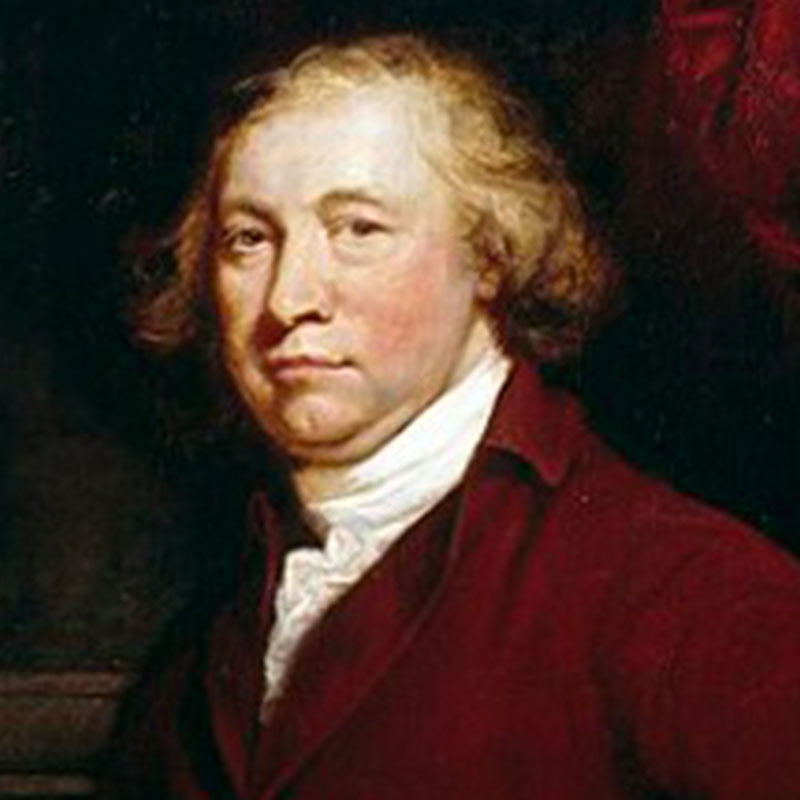
(Reynolds, Joshua. Portrait of Edmund Burke. Oil on canvas; 91 × 71 cm. 1774. National Portrait Gallery, London. Wikimedia Commons. https://commons.wikimedia.org/wiki/File:Portrait_of_Edmund_Burke_128.jpg.)

Born: January 12, 1729 – Dublin, Ireland
Died: July 9, 1797 – Beaconsfield, England
Notable
-
Tradition and Stability: Defended tradition, social order, and gradual change.
-
Anti-Revolution: Criticized the radicalism of the French Revolution.
-
Conservatism: Helped shape modern conservative political thought.
-
Prudent Reform: Advocated careful reform guided by history and moral sentiment.
1700–1800 AD works
Biography
Edmund Burke (1729–1797) was an Irish-born thinker, writer, and politician who made his mark in British politics and became a leading voice in shaping modern conservative thought. Born in Dublin and educated at Trinity College, he moved to London and eventually became a long-serving Member of Parliament and public intellectual. Burke stood up for tradition, slow and steady reform, and the value of inherited wisdom. He made headlines—and history—with his sharp criticism of the French Revolution, warning against the chaos that could come from tearing down centuries of social structure in the name of abstract ideals. He believed that change should be grounded in history and guided by moral feeling, not driven by radical theories. His writing continues to influence political philosophy, especially debates about freedom, authority, and how societies evolve.
Influences & Notable For
Standing up for tradition, gradual change, and social stability.
Fiercely opposing the radicalism of the French Revolution.
Helping define what we now call conservative political philosophy.
Emphasizing the value of history, custom, and moral sentiment in guiding politics.
Believing in thoughtful reform—not sweeping revolution.
Famous quotes
“The only thing necessary for the triumph of evil is for good men to do nothing.”
“Society is indeed a contract... but the state ought not to be considered as nothing better than a partnership agreement in a trade of pepper and coffee.” — Reflections on the Revolution in France
“To make us love our country, our country ought to be lovely.”
Legacy & Modern Significance
Burke is widely recognized as the intellectual father of modern conservatism. His defense of institutions, skepticism of radical change, and belief in moral leadership still echo in political debates today. His thought shaped modern ideas of constitutionalism, democratic restraint, and the value of civil society. Burke’s work remains central in political theory, ethical leadership, and cultural critique.
Modern Moments & Impact on the 21st Century
His views still influence conservative politicians, writers, and scholars.
Frequently cited in debates about nationalism, social cohesion, and political reform.
His critique of ideological extremism resonates in today’s polarized political climate.
Studied in university courses on politics, history, and philosophy.
Offers timeless reflections on how societies handle change—whether fast or slow.
Influences & Intellectual Context
Burke drew on classical philosophy (like Aristotle and Cicero), Christian ethics, and a deep sense of history. He lived through some of the most dramatic political upheavals of the time, including the American and French Revolutions. While sympathetic to some Enlightenment ideals, he was deeply critical of their more extreme or abstract expressions.
Suggested Reading & Resources
- Secondary Literature
Paul Kelly – The Conservative Mind: From Burke to Eliot
Isaac Kramnick & Ronna Barry (eds.) – The Portable Edmund Burke
Andrew Vincent – Edmund Burke: A Life in Context - Archival and Online Resources
Stanford Encyclopedia of Philosophy – Edmund Burke
Internet Archive – Works of Edmund Burke
The Edmund Burke Foundation
The British Library – Burke Manuscripts and Letters
DEFENDER OF TRADITION AND ORDER
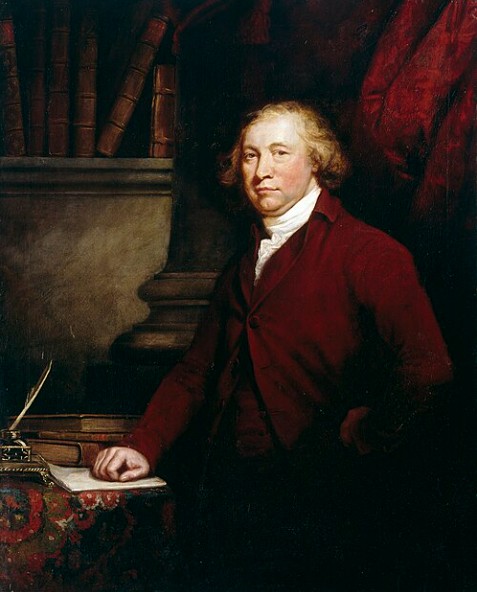
(Reynolds, Joshua. Portrait of Edmund Burke. Oil on canvas; 91 × 71 cm. 1774. National Portrait Gallery, London. Wikimedia Commons. https://commons.wikimedia.org/wiki/File:Portrait_of_Edmund_Burke_128.jpg.)
Joshua Reynolds' 1774 oil portrait of Edmund Burke, the Irish statesman, depicts him in a dark suit with a powdered wig, his thoughtful expression embodying his Reflections on the Revolution in France and advocacy for prudent reform, as celebrated in the Goodrich Seminar Room for defending ordered liberty.
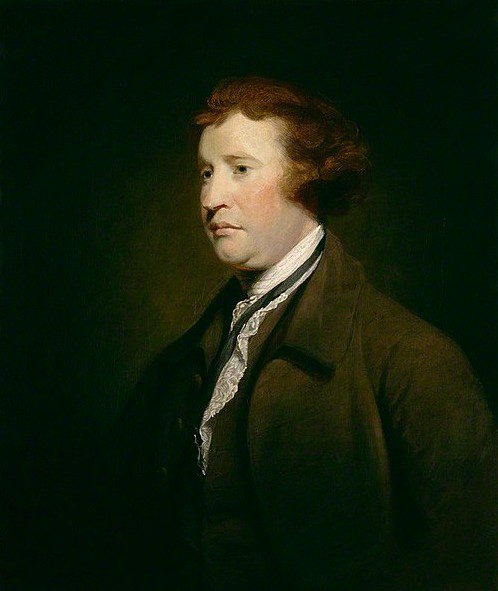
(Unknown. Edmund Burke. Oil on canvas; 76 × 64 cm. 1771. Wikimedia Commons. https://commons.wikimedia.org/wiki/File:EdmundBurke1771.jpg.)

An anonymous 1771 painting of Edmund Burke in formal attire with a red coat and wig, seated against a neutral background, highlights his parliamentary oratory and writings on constitutional balance, key to his critique of radical change.
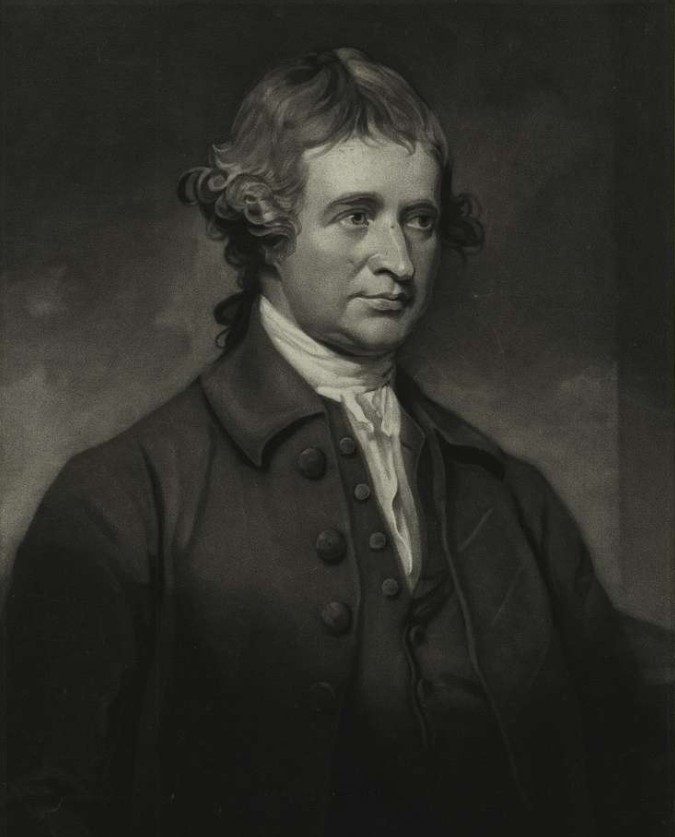
(Unknown. Edmund Burke. Engraving; 15 × 10 cm. ca. 1790. NYPL Public Domain Archive. https://nypl.getarchive.net/media/edmund-burke-13ad2e.)
A public domain engraving from the NYPL archive depicts Edmund Burke in profile with a beard and robes, symbolizing his influence on conservative thought and defense of traditional institutions against revolutionary excess.