
LOCKE
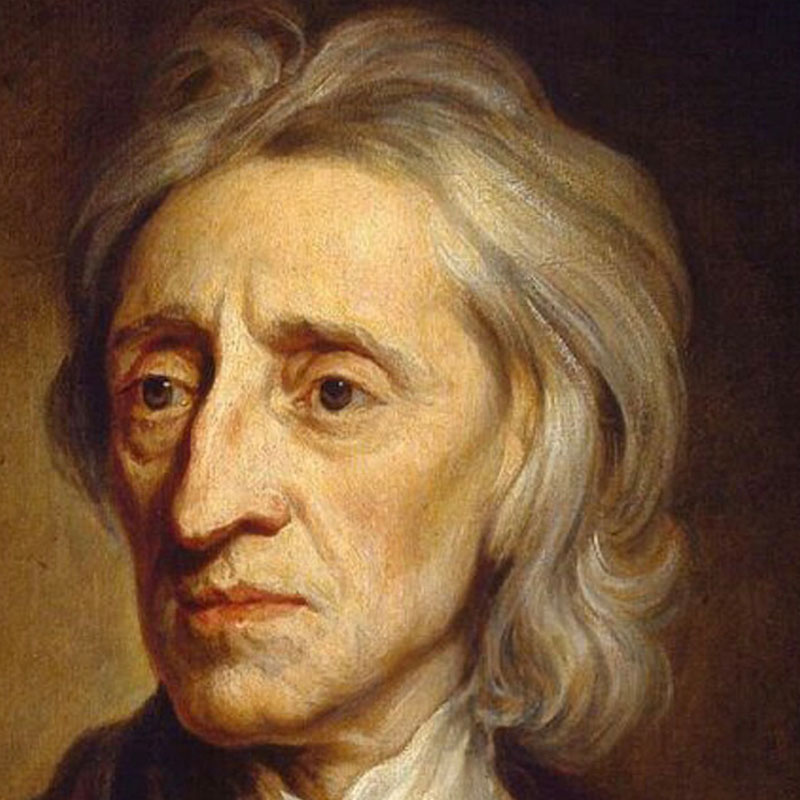
(Kneller, Godfrey. Portrait of John Locke. Oil on canvas. 1697. Wikimedia Commons. https://commons.wikimedia.org/wiki/File:John_Locke.jpg.)

Born: circa 1632 CE, Wrington, Somerset, England
Died: circa 1704 CE, High Laver, Essex, England
Notable
- Founder of Classical Liberalism: Established a major philosophical school advocating for natural rights, government by consent, and the separation of powers, profoundly shaping modern constitutional democracy.
- Doctrine of Natural Rights (Life, Liberty, Property): Promoted inalienable individual rights as the foundation of political legitimacy, directly influencing the American Declaration of Independence.
- Tabula Rasa Empiricism: Emphasized that the mind begins as a blank slate, with knowledge derived from sensory experience and reflection, revolutionizing epistemology in An Essay Concerning Human Understanding.
1600–1700 AD works
Biography
John Locke was a prominent English philosopher and physician in the 17th century, known for his contributions to the fields of political theory, epistemology, and philosophy of mind. He was born in Wrington, Somerset, England, on August 29, 1632, and died on October 28, 1704, in Oates, Essex. Locke's influence on Western philosophy and political thought is profound, with his ideas shaping the Enlightenment period and laying the foundation for liberal democratic principles.
Locke's early education was at Westminster School and later at Christ Church, Oxford, where he studied medicine and philosophy. He became a key figure in the intellectual circles of his time, engaging in discussions with leading thinkers such as Isaac Newton and Robert Boyle. His major works, including An Essay Concerning Human Understanding and Two Treatises of Government, are considered seminal texts in the history of philosophy and political theory. Locke's emphasis on individual rights, the social contract, and the importance of reason and tolerance had a lasting impact on the development of modern democratic societies.
Influences & Notable For
Notable For
John Locke is best known for his contributions to political philosophy, epistemology, and philosophy of mind. He is renowned for his theories on natural rights, the social contract, and the importance of reason and tolerance in society. Locke's works, particularly Two Treatises of Government, played a significant role in shaping the ideas of the Enlightenment and the development of liberal democratic principles.
Locke's emphasis on individual rights and limited government influenced the founding fathers of the United States and the drafting of the U.S. Constitution. His ideas on empiricism and the nature of knowledge have had a lasting impact on modern philosophy, with his work on human understanding setting the stage for later thinkers such as David Hume and Immanuel Kant.
Influences
John Locke's intellectual development was influenced by a variety of factors, including his education in medicine and philosophy at Christ Church, Oxford, and his interactions with leading thinkers of his time. Locke's ideas were shaped by the intellectual currents of the Enlightenment period, with a focus on reason, empiricism, and individual rights.
Locke's works were influenced by philosophers such as René Descartes and Thomas Hobbes, as well as the scientific advancements of the time, particularly in the fields of physics and biology. His emphasis on the importance of experience and observation in shaping human knowledge reflected the emerging trends in empirical philosophy, laying the groundwork for later thinkers in the empiricist tradition.
Famous quotes
- "The only fence against the world is a thorough knowledge of it."
- "All mankind... being all equal and independent, no one ought to harm another in his life, health, liberty, or possessions."
- "Reading furnishes the mind only with materials of knowledge; it is thinking that makes what we read ours."
- "New opinions are always suspected, and usually opposed, without any other reason but because they are not already common."
- "Education begins the gentleman, but reading, good company, and reflection must finish him."
Legacy & Modern Significance
John Locke's legacy as a philosopher and political theorist is profound, with his ideas continuing to shape modern debates on democracy, individual rights, and the nature of knowledge. Locke's emphasis on reason, tolerance, and the importance of limited government has had a lasting impact on the development of liberal democratic societies around the world.
Locke's works are widely studied in academic settings, with scholars and students exploring the implications of his theories for contemporary political and social issues. His influence can be seen in the principles of human rights, constitutional government, and the rule of law that underpin many modern democracies, highlighting the enduring significance of his ideas in the 21st century.
Modern Moments & Impact on 21st Century
In 2019, the University of Chicago Press released a new edition of Locke's Two Treatises of Government with updated annotations and commentary, highlighting the continued relevance of his political theories.
The John Locke Society, founded in 2016, hosts annual conferences and symposia on Locke's philosophy and its implications for contemporary issues in politics and society.
The digitization of Locke's works by Project Gutenberg and other online repositories has made his texts more accessible to a wider audience, fostering ongoing discussions and debates on his ideas in the digital age.
Suggested Reading and Resources
An Essay Concerning Human Understanding by John Locke - Penguin Classics.
Two Treatises of Government by John Locke - Cambridge University Press.
Locke: A Very Short Introduction by John Dunn - Oxford University Press.
The Cambridge Companion to Locke, edited by Vere Chappell - Cambridge University Press.
John Locke: A Biography by Roger Woolhouse - Cambridge University Press.
FATHER OF CLASSICAL LIBERALISM
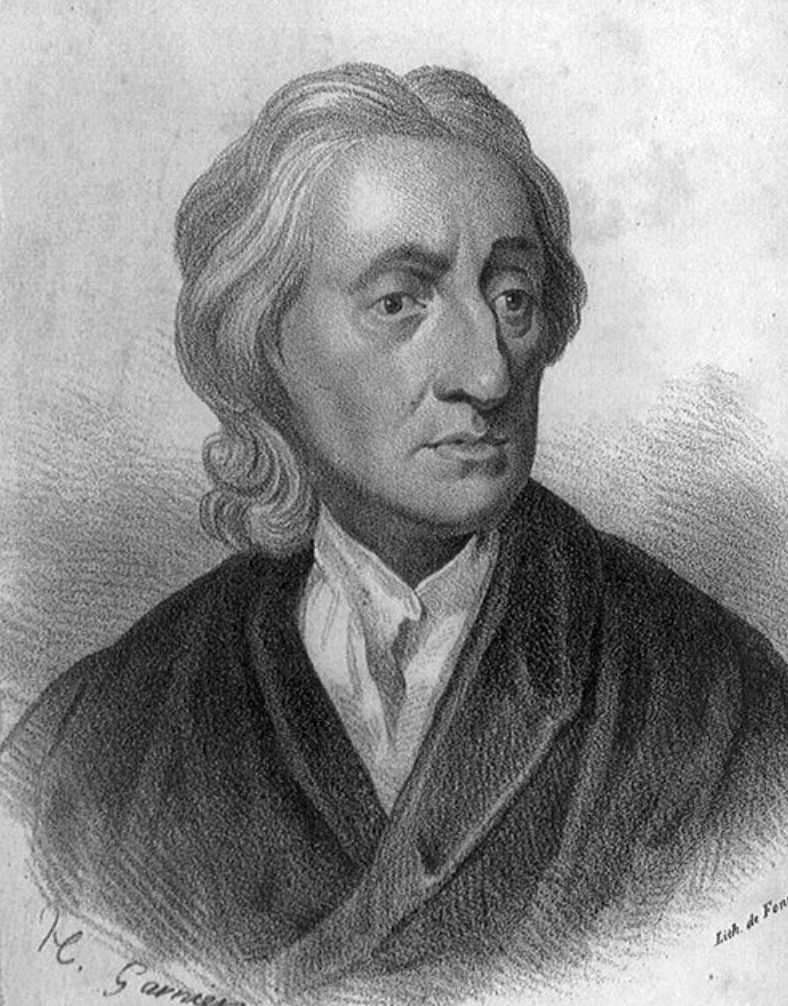
(Unknown. John Locke. Engraving. ca. 1900. Wikimedia Commons. https://commons.wikimedia.org/wiki/File:Locke-John-LOC.jpg.)

A Library of Congress engraving of John Locke in profile, with a beard and robes, symbolizes his influence on the Enlightenment and principles of limited government, resonant with the Goodrich Seminar Room's liberty narrative.
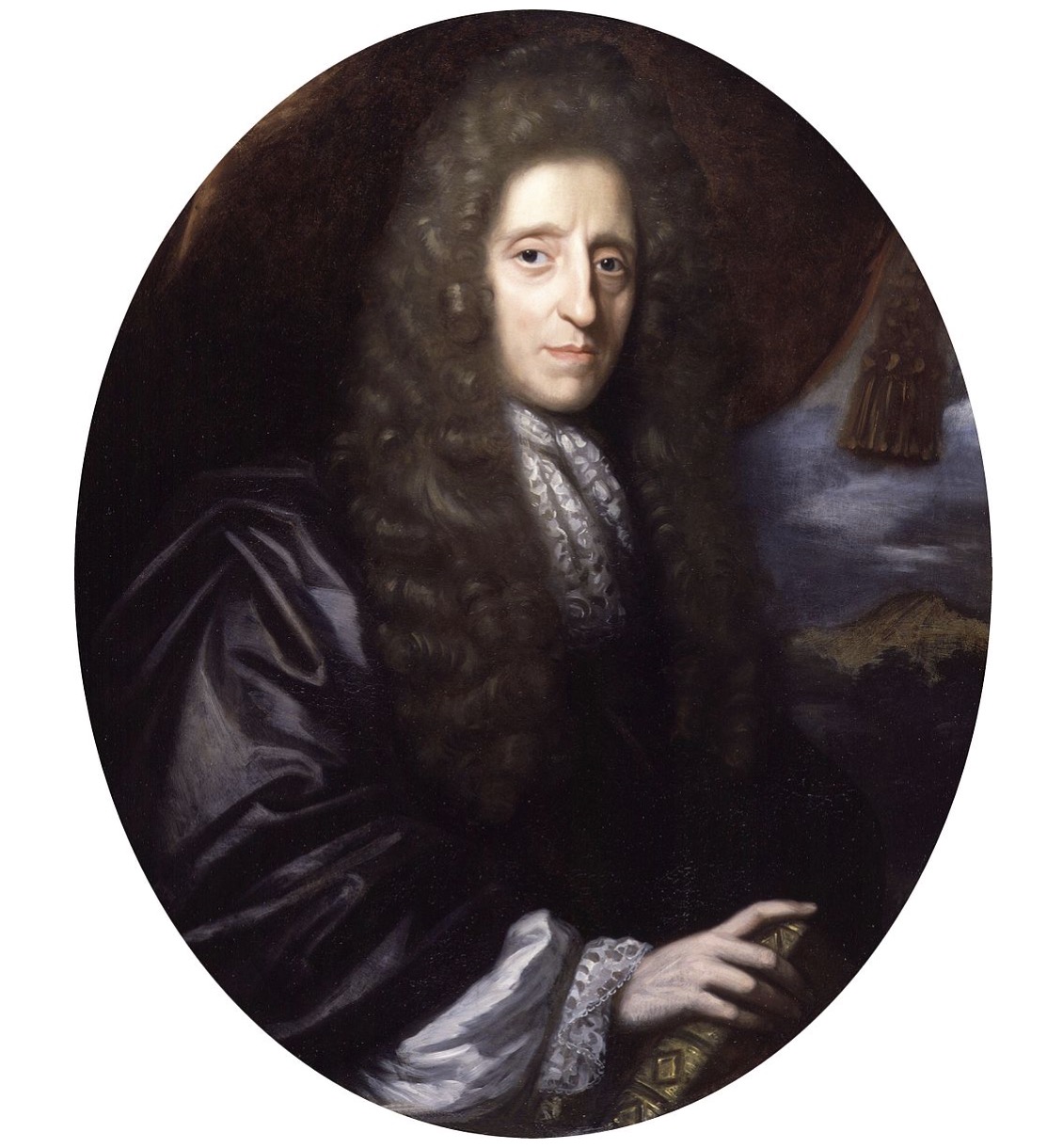
(Verelst, Herman. John Locke. Ca. 1689. Oil on canvas. National Portrait Gallery, London. Wikimedia Commons. https://commons.wikimedia.org/wiki/File:John_Locke_by_Herman_Verelst.jpg.)

This vibrant portrait by Dutch painter Herman Verelst captures John Locke at the height of his intellectual powers, the very year his Essay Concerning Human Understanding was published—redefining knowledge as rooted in sensory experience.
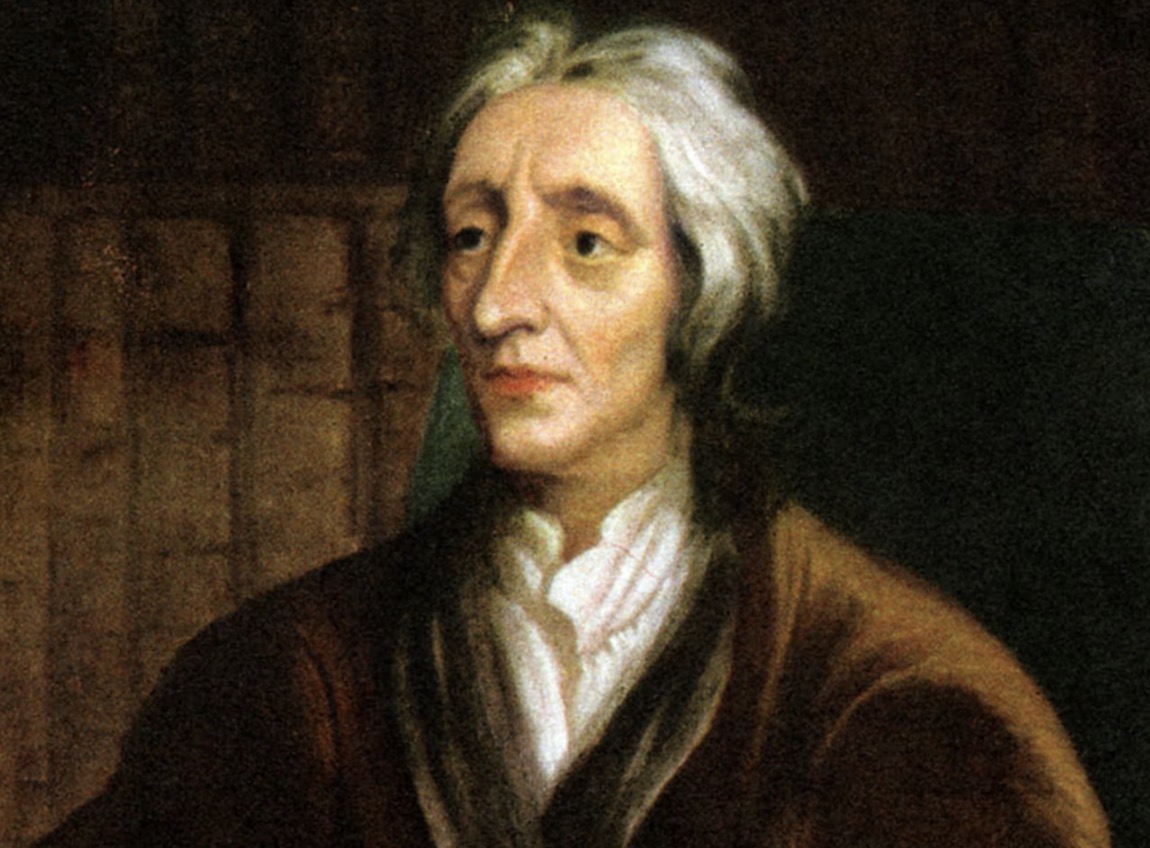
(John Locke. N.d. Digital image. History.com. A&E Television Networks. Accessed October 28, 2025. https://www.history.com/topics/european-history/john-locke.)
This clean, modern reproduction of a classic Locke portrait accompanies biographical content, symbolizing his enduring role as a foundational thinker in liberalism, empiricism, and the right to revolution.