
RHAZES
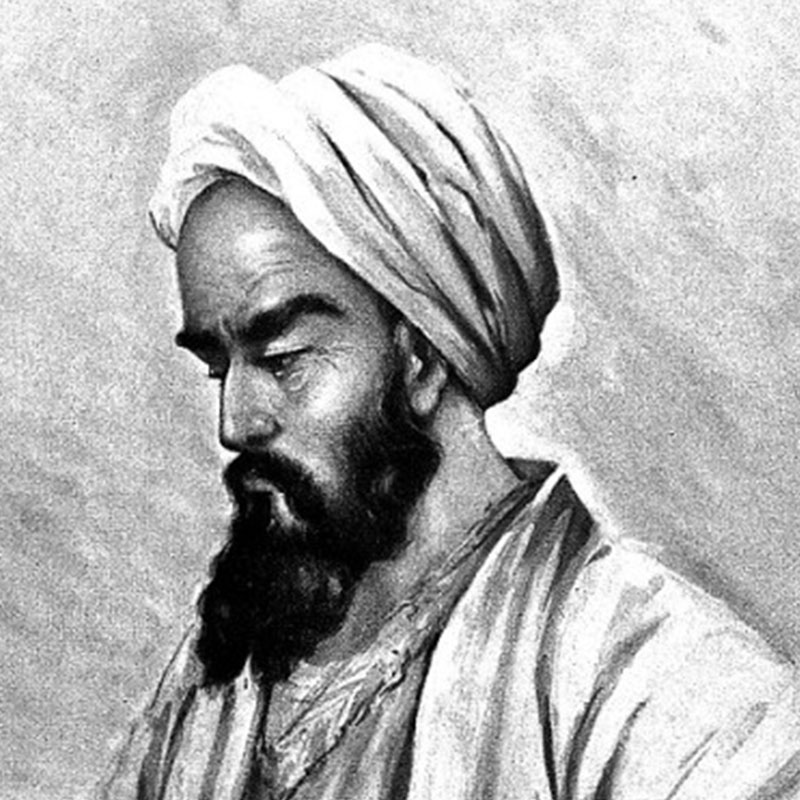
(Unknown. Portrait of Rhazes (Al-Razi) (AD 865–925). Line engraving. 18th century. Wellcome Collection, London. Wikimedia Commons. https://commons.wikimedia.org/wiki/File:Portrait_of_Rhazes_(al-Razi)_(AD_865_-_925)_Wellcome_L0005053_(cropped).jpg.)
_(AD_865_-_925)_Wellcome_L0005053_(cropped).jpg)
Born: around 865 CE in Ray, Iran
Died: approximately 925 CE (at the age of 60–61) in Ray, Iran
Notable
- Rhazes is best known for his contributions to the field of medicine, particularly his emphasis on clinical observation, diagnosis, and treatment.
- He is famous for being one of the first physicians to distinguish between smallpox and measles, providing the earliest clear clinical descriptions of these diseases.
- He was a pioneer in the development of evidence-based medicine, advocating for the use of empirical evidence and patient observation in medical practice.
Biography
Rhazes, also known as Abu Bakr Muhammad ibn Zakariya al-Razi, was a prominent Persian polymath and physician who made significant contributions to various fields including medicine, alchemy, philosophy, and ethics during the Islamic Golden Age. He was born in Rayy, Iran, around the year 865 and died in the same city in 925 CE at around the age of 60. Rhazes is considered one of the most well-known and respected figures in the history of medicine. His works have influenced medical practices in both the Islamic world and the European world for centuries. He served as the chief physician at the Baghdad and Ray hospitals and was renowned for his clinical skills and innovative medical treatments. He has also been described as the father of pediatrics and a pioneer of ophthalmology.
Throughout his life, Rhazes wrote numerous medical texts, some of which were translated into Latin and became standard medical textbooks in medieval Europe. Beyond medicine, he also wrote on various philosophical and ethical topics, demonstrating a holistic approach to healthcare that integrated medical knowledge with ethical considerations. He was one of the first to clinically distinguish between chickenpox and measles. Rhazes' intellectual curiosity and dedication to advancing knowledge in multiple disciplines have solidified his legacy as a pioneering figure in the history of medicine and science. During his lifetime, Rhazes made significant advancements in medicine and other fields, leaving a lasting impact on the development of scientific knowledge in the Islamic world and beyond.
Influences & Notable For
Rhazes is best known for his contributions to the field of medicine, particularly his emphasis on clinical observation, diagnosis, and treatment.
He is famous for being one of the first physicians to distinguish between smallpox and measles, providing the earliest clear clinical descriptions of these diseases.
He was a pioneer in the development of evidence-based medicine, advocating for the use of empirical evidence and patient observation in medical practice.
His comprehensive medical encyclopedia, "Al-Hawi" (The Comprehensive Book), became an essential resource for physicians in both the Islamic world and Europe.
Rhazes also made significant advancements in pharmacology, introducing new medications and treatments for various ailments.
Rhazes discovered numerous chemical compounds, including alcohol (ethanol), and refined the use of alcohol for medical purposes.
Famous quotes
"The doctor's aim is to do good, even to our enemies, so much more to our friends, and my profession forbids us to do harm to our kindred." – The Comprehensive Book, Rhazes
"All that is written in books is worth much less than the experience of a wise doctor." – Doubts on Galen, Rhazes
"The patient who consults a great many physicians is likely to have a very confused state of mind." – Medical Aphorisms, Rhazes
Legacy & Modern Significance
Rhazes' legacy lies in his lasting contributions to the fields of medicine, philosophy, and ethics, which have had a profound impact on the development of scientific knowledge and healthcare practices. His emphasis on clinical observation, evidence-based medicine, and the integration of ethical considerations into medical practice continues to resonate in current medical education and healthcare systems. His systematic approach to testing drugs and documenting their effects laid the groundwork for modern pharmacology. His works were influential in bridging the knowledge of ancient Greek physicians with the advancements of the Islamic Golden Age, shaping the way people in the medieval world thought about science and medicine.
Besides medicine, Rhazes' philosophical writings on ethics and morality have influenced the way people think about the relationship between science, religion, and ethics. His holistic approach to healthcare as a physician, taking ethical responsibility for the well-being of patients, still remains relevant in modern healthcare and medical ethics. Rhazes' multidisciplinary contributions continue to inspire various scholars, healthcare professionals, and thinkers across disciplines, showing why he is still considered an important figure in the history of science and medicine.
Modern Moments & Impact on the 21st Century
In 2018, McGill University's Osler Library digitized the preserved Latin translations of Rhazes' works, making them freely accessible to medical historians and researchers worldwide.
In 2019, the International Conference on Rhazes Studies was held in Tehran, Iran, bringing together scholars and researchers to discuss the legacy of Rhazes in contemporary medicine and philosophy.
In 2020, Rhazes' medical texts were translated into multiple languages, making his works more accessible to a global audience of medical professionals and academics.
The medical journal "Razi Journal of Medical Sciences," published by Iran University of Medical Sciences in Tehran, is a peer-reviewed, openly accessible journal that continues Rhazes' tradition of documenting and sharing clinical observations.
In 2022, a digital archive of Rhazes' manuscripts was launched online, allowing scholars and researchers to explore his works easily in a digital format.
Influences & Intellectual Context
Rhazes was influenced by various intellectual traditions and thinkers, including Greek medicine, Islamic philosophy, alchemical traditions, and the Arabic translational movement.
He studied the works of ancient Greek physicians such as Hippocrates and Galen, incorporating their theories and practices into his medical writings.
He engaged with Islamic philosophical thought, exploring the intersections between religion, ethics, and science in his writings. He benefited from Baghdad’s House of Wisdom, where Greek texts were translated into Arabic.
Rhazes was influenced by the alchemical tradition, which informed his views on the nature of matter and the principles of transformation.
He also benefited from the translation of Greek, Persian, and Indian texts into Arabic, which expanded his access to a diverse range of knowledge.
These influences shaped Rhazes' intellectual development and the multidisciplinary approach he took in his work, blending medical knowledge with philosophical and ethical considerations.
Suggested Reading & Resources
Al-Razi, Abu Bakr Muhammad ibn Zakariyya. (2021). In Encyclopædia Britannica. https://www.britannica.com/biography/al-Razi
Rhazes: The Comprehensive Book on Medicine. (2015). Kazi Publications. ISBN-13: 978-1567441956
Rhazes and His Time. (2008). Oxford University Press. ISBN-13: 978-0199218808
Kahl, Oliver. The Sanskrit, Syriac and Persian Sources in the Comprehensive Book of Rhazes. Netherlands: Brill, 2015.
Magner, Lois N. A History of Medicine. Switzerland: Taylor & Francis, 1992.
Rāzī, Abū Bakr Muḥammad ibn Zakarīyā. The Spiritual Physick of Rhazes. United Kingdom: Murray, 1950.
FOUNDER OF EXPERIMENTAL MEDICINE
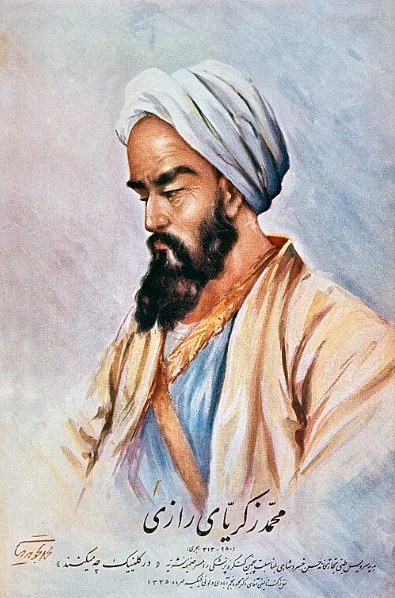
(Unknown. Rhazes (Al-Razi) (AD 865–925). Watercolor on paper. ca. 1900. Wellcome Collection, London. Wikimedia Commons. https://commons.wikimedia.org/wiki/File:Rhazes_(al-Razi)_(AD_865_-_925)_Wellcome_S0001954.jpg.)
_(AD_865_-_925)_Wellcome_S0001954.jpg)
A watercolor portrait from the Wellcome Collection illustrates Rhazes (Al-Razi), the 9th–10th-century Persian polymath, in turban and robes with a contemplative gaze, inscribed with his name in Persian, highlighting his medical and philosophical legacy.
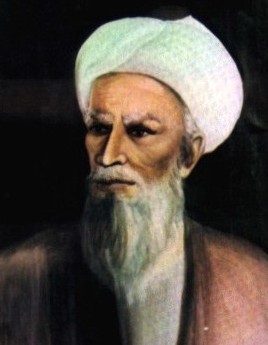
(Unknown. Muhammed ibn Zakariya al-Razi - Rhazes. Illustration. 20th century. Wikimedia Commons. https://commons.wikimedia.org/wiki/File:Muhammed_ibn_Zakariya_al-Razi_-_Rhazes_-_Persian_philosopher_and_physician.jpg.)

A historical illustration of Muhammed ibn Zakariya al-Razi (Rhazes), the Persian physician and philosopher, depicted in traditional attire with beard and turban, emphasizing his pioneering work in clinical medicine and alchemy.
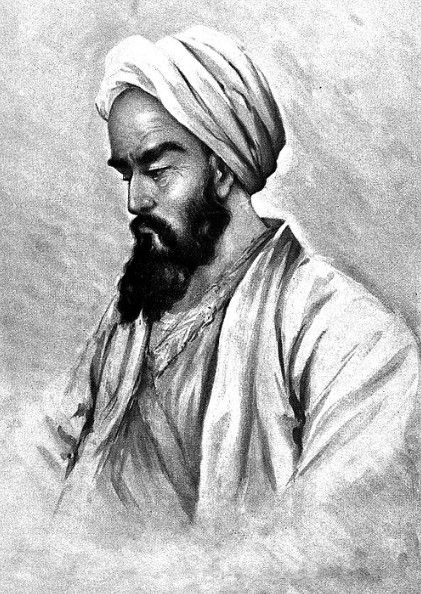
(Unknown. Portrait of Rhazes (Al-Razi) (AD 865–925). Line engraving. 18th century. Wellcome Collection, London. Wikimedia Commons. https://commons.wikimedia.org/wiki/File:Portrait_of_Rhazes_(al-Razi)_(AD_865_-_925)_Wellcome_L0005053_(cropped).jpg.)
An 18th-century line engraving from the Wellcome Collection portrays Rhazes in profile, based on medieval sources, with detailed facial features and scholarly pose, capturing his role as a key figure in the Islamic Golden Age of science.